
Long-term investments in Kenya, such as purchasing a residential plot, are among the best ways to invest. In most areas, land prices keep on growing up due to the growth in the cities and better infrastructure. Nonetheless, the plot, which seems appealing nowadays, can turn into an expensive mistake in case of neglecting critical aspects.
The smart consumers pay attention to the location, legal scrutiny, future development and investment trends before making a choice. This guideline further clarifies the most significant considerations to make when acquiring land in order to allow investment and home buyers to make sound decisions.
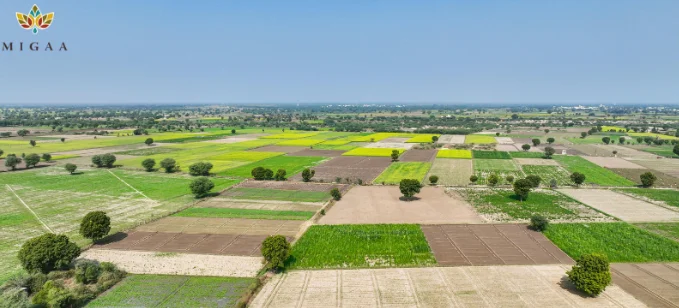
The location is the most significant factor in land value. Residential land in a place near the major roads, schools, hospitals and commercial centres is likely to appreciate more.
In Kenya, areas around the growing towns and transport routes are attracting high levels of investments. The potential buyers are advised to study intended highway, rail, and urban development projects since such upgrades would jump-start the value of property.
A true title deed is a document showing the legal ownership of the plot. The buyers have to confirm that the title is clear in the land registry so that the seller is entitled to transfer the ownership.
Fraud prevention is also achieved by checking ownership history. By engaging an experienced lawyer in the process of purchasing, one will be assured that the legal documents are correct and valid.
All plots must be classified under the zoning regulations which define the use of the land. Residential housing plots are approved whilst commercial or agricultural plots are set aside.
Buyers are to ensure that they establish the zoning classification with the county government. This will avoid future legal problems and will guarantee the land to be used in constructing a home.
Convenience and property value are enhanced by good access on the road. A residential land with an effective road system draws a larger number of buyers and investors.
Electricity, water supply and internet should also be accessible. Locations with good infrastructure tend to develop faster and have higher prices of land.
When a person lives close to important facilities, life becomes easier. The schools, hospitals, supermarkets and recreational areas make a residential area more desirable.
Plots in a well-laid community would be more beneficial in terms of lifestyle. To illustrate, the community that is developed on the Migaa estate website offers the residents integrated amenities as well as the modern planning.
The construction cost and structural stability are influenced by the soil status of the piece of land. The construction of a building on soft soil or weak soil can be costly.
The flat territory is cheaper and less difficult to develop than the steep or rocky land. Before the purchase is finalised, buyers must always perform some simple soil and topography analysis.
Families and investors will be concerned with safety. Plots in residential areas of gated communities or organised estates tend to provide the better security systems.
Such communities also promote systematic development that enhances the value of the property in the long run.
Water supply is also crucial to living in the residence. The issue of municipal water connection or the need to have the borehole systems must be verified by buyers.
Proper drainage is also very crucial. This is due to poor drainage, which leads to flooding of property infrastructure during rainy seasons.
Land is not all that modern home buyers are seeking. Parks, sports facilities, and golf training facilities are examples of lifestyle amenities that have high value to the residential communities.
The developments that provide facilities comparable to the golf training and recreational programmes presented in the Migaa golf training page make the living environment balanced.
Reputation is an issue when purchasing plots with a developer. Law and quality planning standards are usually the follow-up of established developers who have successful projects.
The studies conducted on the past projects and company history of the developer can assist buyers in eliminating untrustworthy sellers of land.
Before buying land the investor must analyse the trend of appreciation. Regions showing a high rate of population growth and infrastructural development tend to pay off.
Long-term land investments in Kenya still have opportunities owing to the growing cities of the country. Following these trends will assist buyers to select localities that have high potential.
Other developers have flexible payment schemes which enable purchasers to pay in instalments. This alternative eases land ownership for a number of investors.
Before engaging in any business contract on the financial base, buyers must consider terms of payment, any charges, and the terms and conditions of the contract before making a commitment.
The safety and value of a plot may be influenced by environmental conditions. Flood-prone areas, landslides or soil erosion might not be ideal places to construct residential houses.
Investigations of environmental reports and site visits in various seasons can give more information on potential dangers.
Properly planned residential areas have well-structured roads, green areas, and common facilities. These characteristics enhance the living standards and raise long-term real estate demand.
There are also some estates with community centres and spaces comparable to the ones featured on the Migaa clubhouse page, providing a social and recreational experience to the residents.
The value of land can be affected a lot in the vicinity of development projects. New shopping malls, schools and transport roads bring in new people and industries.
Potential buyers must consult development plans and future developments in the areas they intend to buy land before making the purchase. The knowledge of these trends assists investors to select plots that are bound to increase with time.
The residential plots in well-planned estates are the preferred ones for many investors due to organised infrastructure, security and lifestyle facilities.
Such projects as the residential community that is provided in the official site of Migaa demonstrate how the modern developments integrate the green areas, golf courses and residential areas, making them high-value property environments. The Migaa membership section also offers buyers interested in such developments an opportunity to explore membership and benefits in the community.When the investors need more information on the property opportunities or the development projects, they can contact the team through the Migaa contact page, which can help guide them.


Leave a Reply